 FabFilter Pro-Q4
FabFilter Pro-Q4
FabFilter Pro-Q4
It can be a lot of fun to get a new synthesizer plugin, scroll through some presets and you quickly have a sound and vibe you can work with. Though there is nothing wrong with this approach, understanding the parameters on your synths can help you to make the sounds that you’re searching for a lot quicker. In these articles, we’ll shed some light on the basic principles of synthesis to help you bridge the gap between technicalities and making music.

This article is a beginner’s guide to creating a sound on a subtractive synth. We are going to cover the basics here, and we’ve intentionally saved lots for later. If you are synth-curious but feel overwhelmed by all of the lingo, or if you already use synths but feel bound to presets, you’re in the right place. This article should help get you started on your synthesis journey and creating your own sounds.
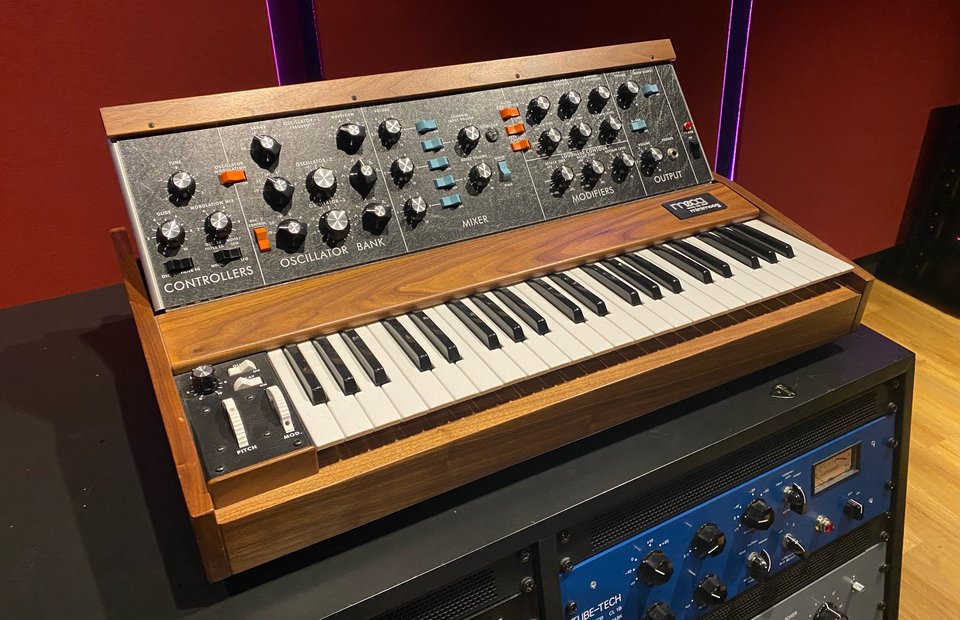
At the heart of the synthesizer lies the oscillator. The oscillator section is the sound source of your synthesizer and allows you to define the pitch, spectrum and ultimately the character of your sound. In this article, we explore some of the more in-depth oscillator parameters such as oscillator sync, sub-oscillators and noise oscillators.
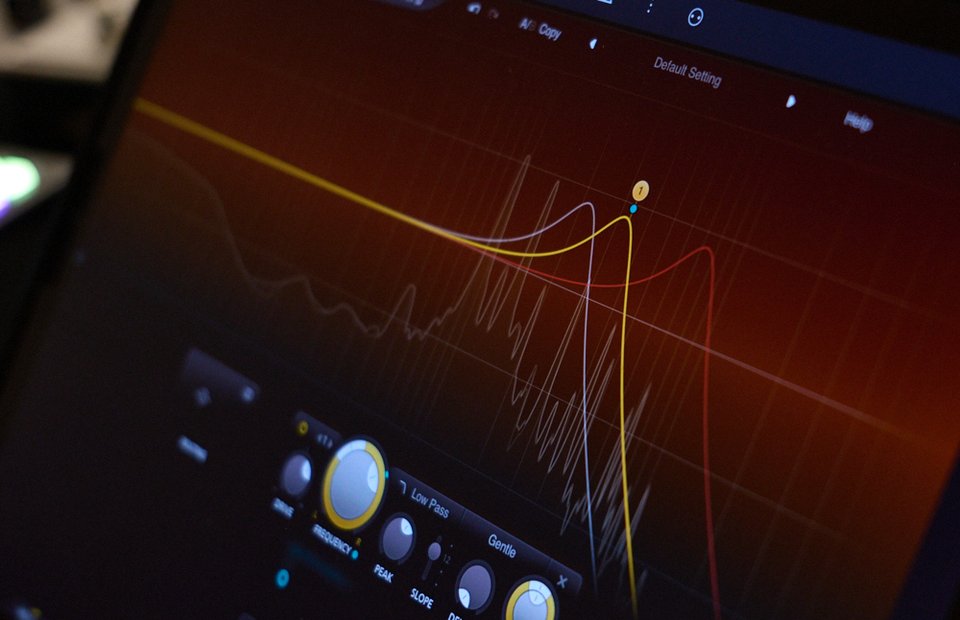
Often thought of as the most 'playable' parameter on a given synth, the filter let's you dial in the character of your sound and even change it in real-time while you play. In this article we'll explore some filter varieties and additional parameters that you'll find in the filter section.
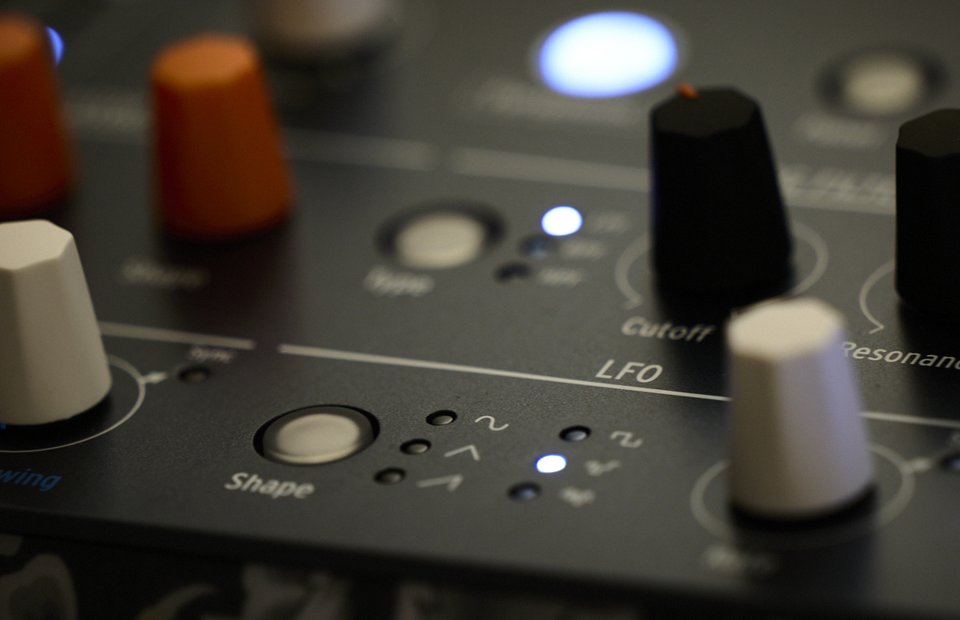
Envelope modulation is a great way to breathe life into a synth sound. By shaping the way the different parameters change over time, you can add a whole new dimension to your sound-design.
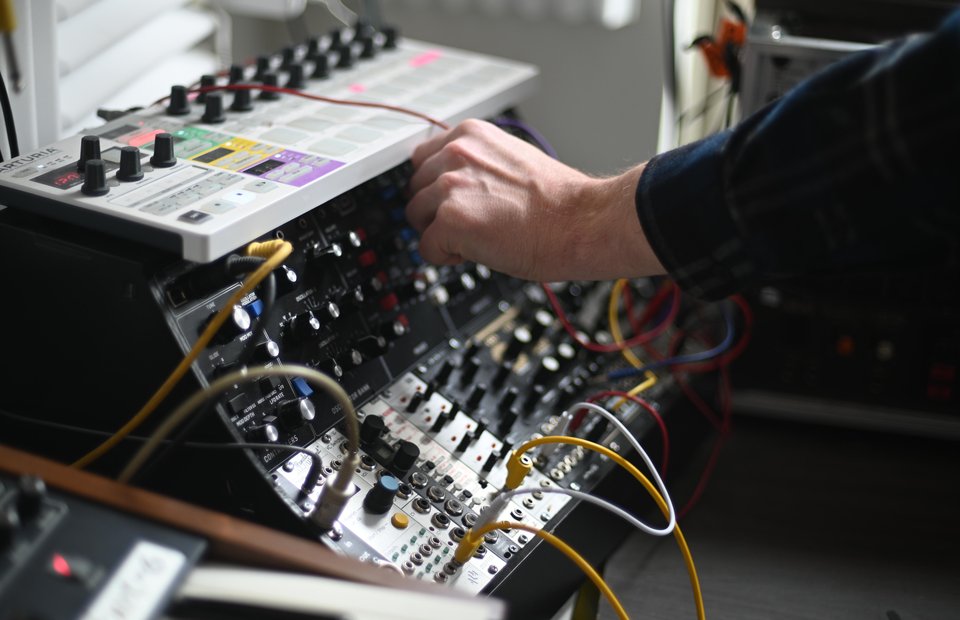
The LFO is a super versatile tool that can be used for modulating all types of signals. Commonly found as a part of a synthesizer, it can also be utilized within an effect or even DAW. Let’s take a look at some different examples of how it can be used.