 FabFilter Pro-Q4
FabFilter Pro-Q4
FabFilter Pro-Q4
What is sound? How do sound waves behave in a room? How can we tell different instruments apart by ear? In this section we explore how frequency, amplitude, velocity, wavelength, phase and timbre can be used to describe sound and predict how it will behave.

What is this thing we call sound? Let's define some basic terms for understanding how sound behaves and how we can measure and describe it. This article will help form a good foundation for those which follow.
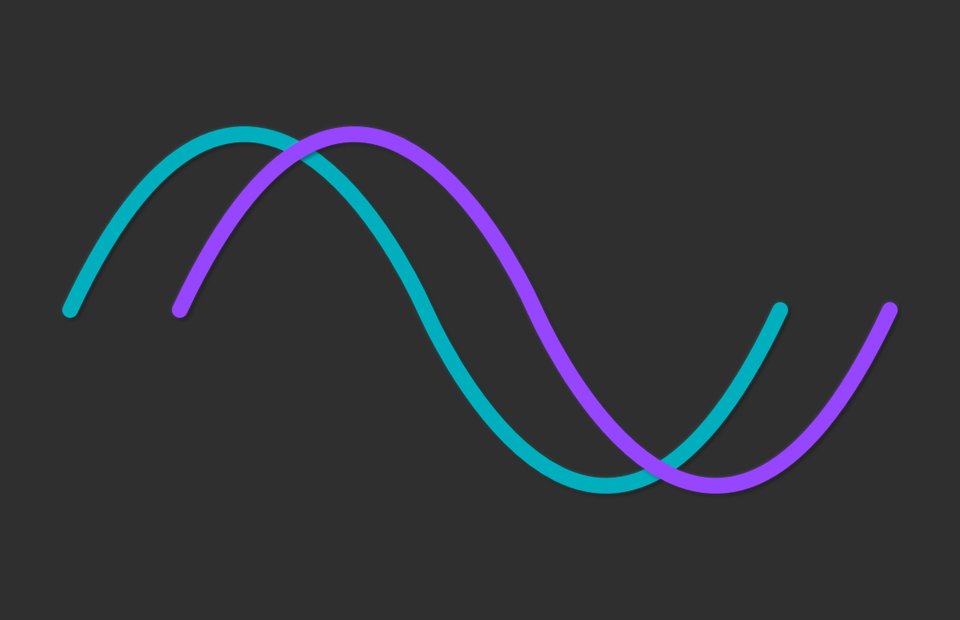
In phase? Out of phase? Phase cancellation? In this article we investigate how phase can be used to describe sound waves and how phase relationships impact our perception of sound.
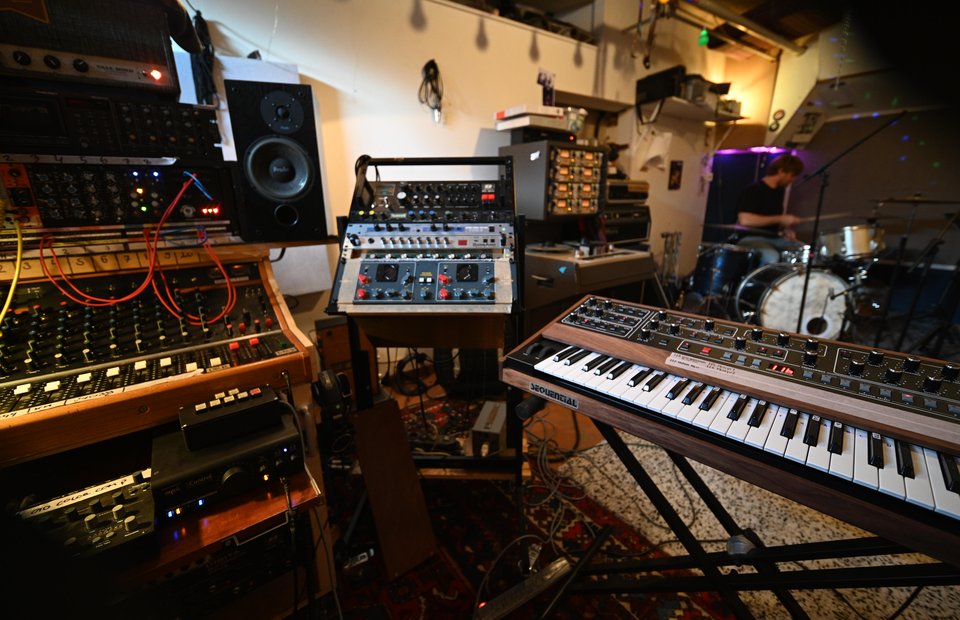
Both musicians an audio engineers obsess over the 'tone', 'colour' or 'quality' of the sounds we create. But what do these words really mean? Let's dive into the world of timbre to understand how complex sounds are created and analyzed.

What are the cues that allow us to determine where a sound comes from, or how far away it is? In this article we learn how we're able to localize sounds.
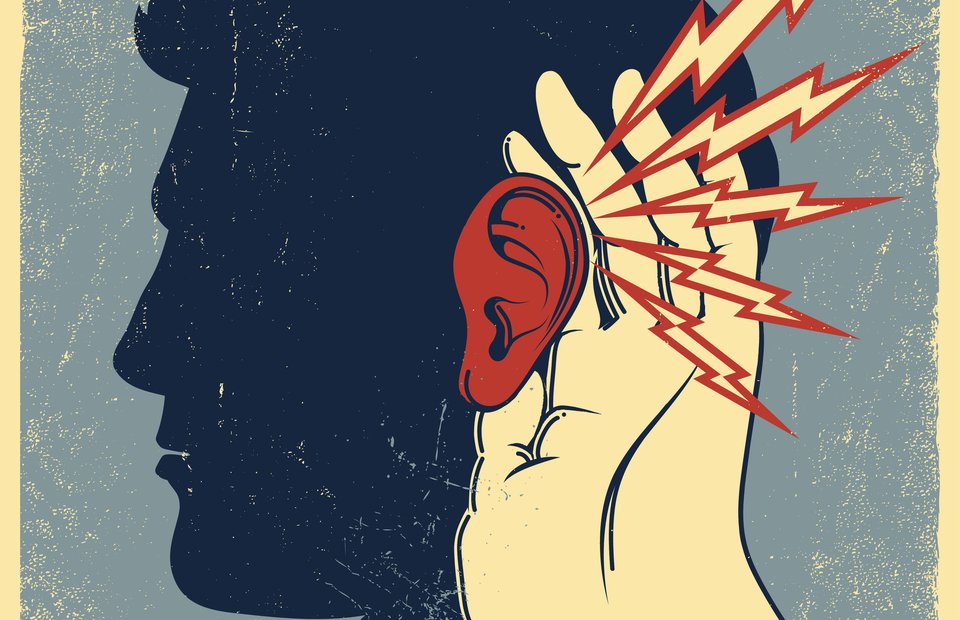
Have you ever noticed how difficult it can be to find the right level for bass frequencies in a mix? Or how our perception of this changes with monitoring level? In this article we take a look at how our perception of frequency is impacted by loudness.